
AIR_MCUBE International Artists' Residency 2025
RESIDENCY ARTIST OF NOVEMBER, DECEMBERAND JANUARY 2026
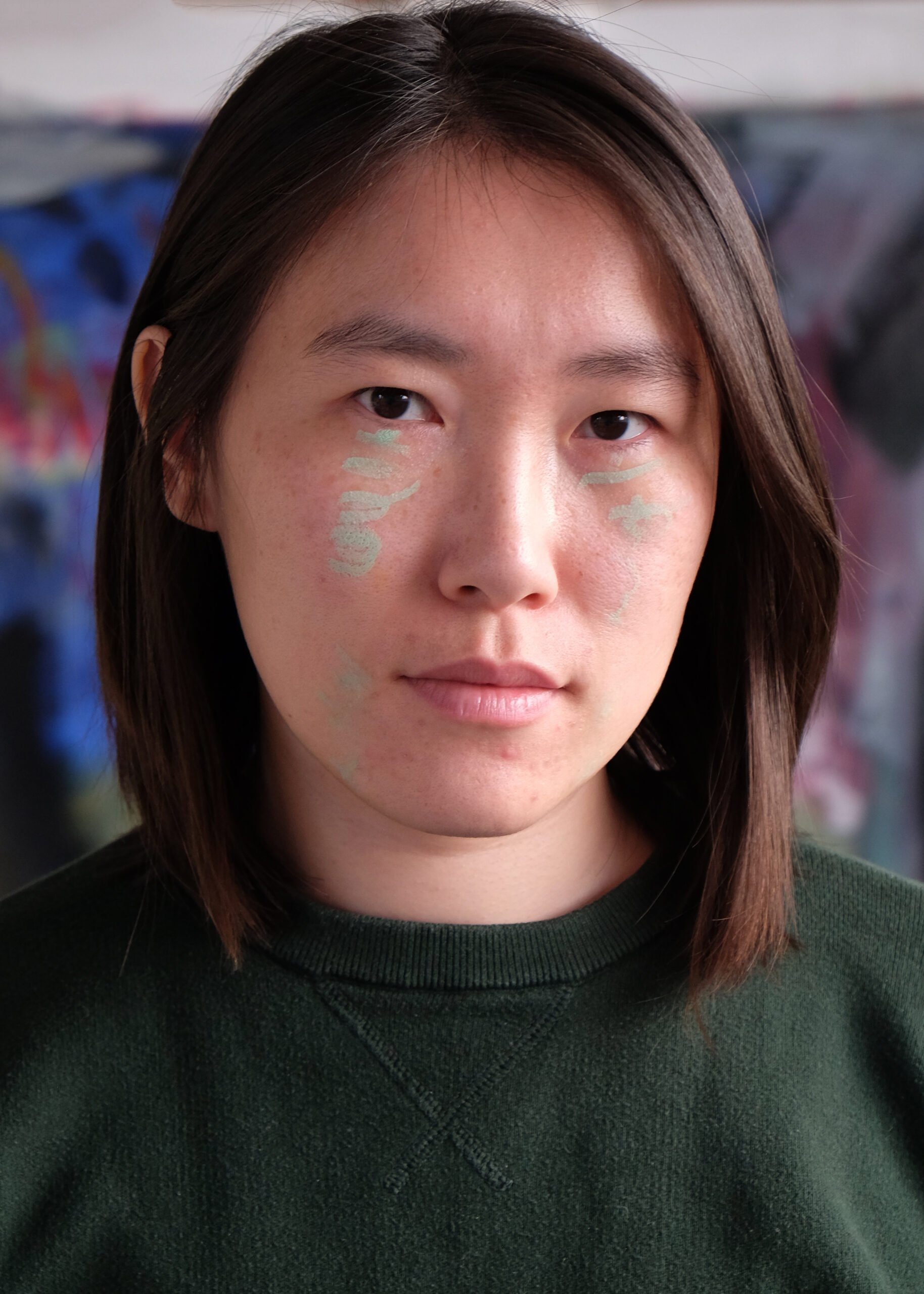
Chenxi Xu
China
In Between
Text by Deng Ting
When I begin writing these words late at night, my mind seems to slip back to the final day in Nepal. In that moment, dream and reality lost their separation. Smoke, fire, celebration, bodies, crying, dancing, smiling faces all appeared at once, layered over one another. Chaos filled the air. Not a chaos that could be sorted or explained, but one that surged through sight, smell, sound, and bodily memory, rushing past almost faster than the senses could hold. During her residency, our conversations were always broken. A few sentences. A
pause. A sudden silence. Sometimes she would stop halfway through a thought, as if she no longer knew where to continue. It was between these fragments that I began to glimpse that vast, uncontained world. Weddings, funerals, death, birth all pressed together without boundaries. Like the air of the city itself. Damp, heavy, sticking to the skin, impossible to shake off. You cannot tell whether something is a celebration or a farewell. The drums stop and the crying begins. The fire is still burning and garlands are already being placed. In that world, life and death stand too close to one another. Close enough to be unsettling. Birth is not a beginning and death is not an ending. They keep happening, crossing, repeating.
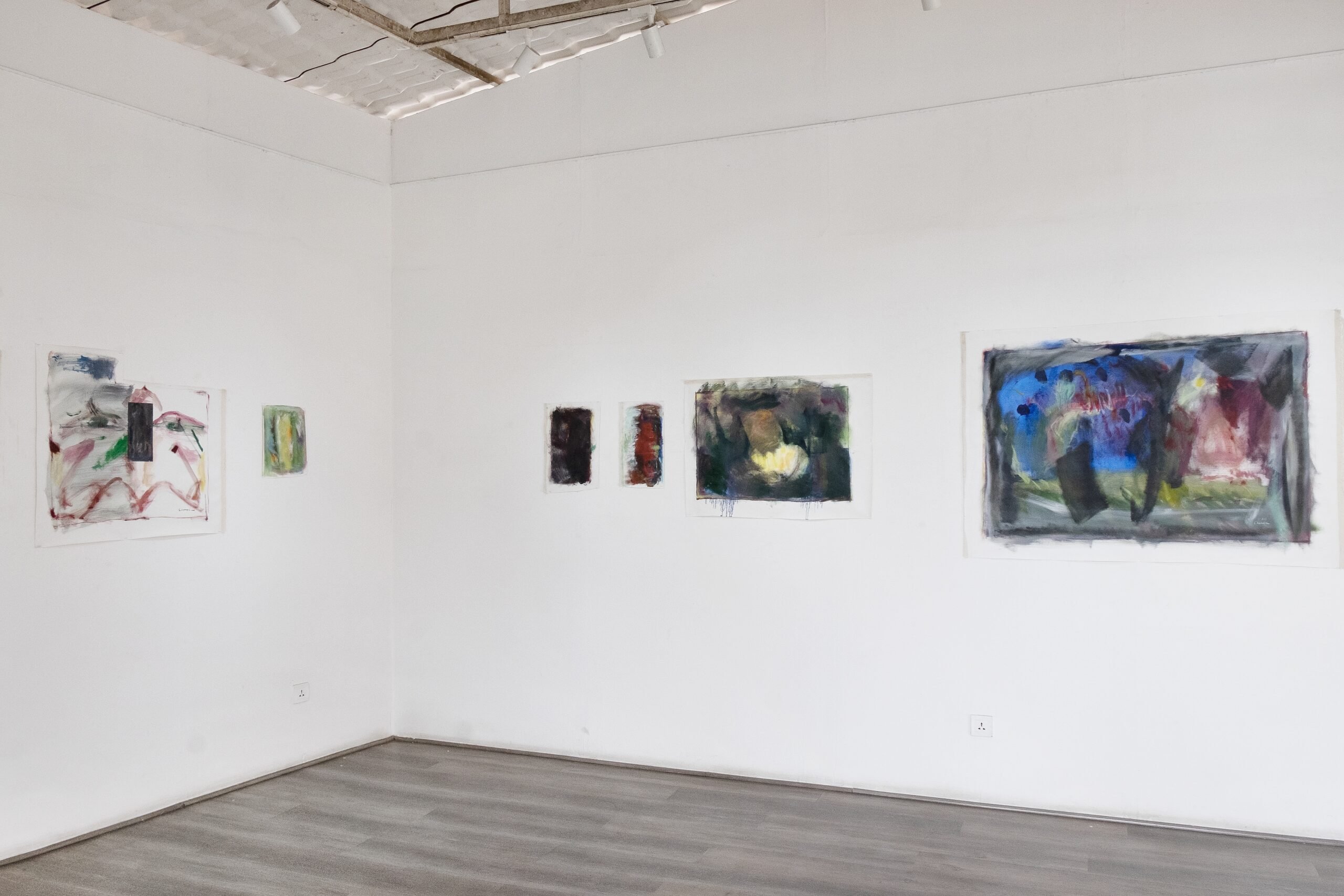
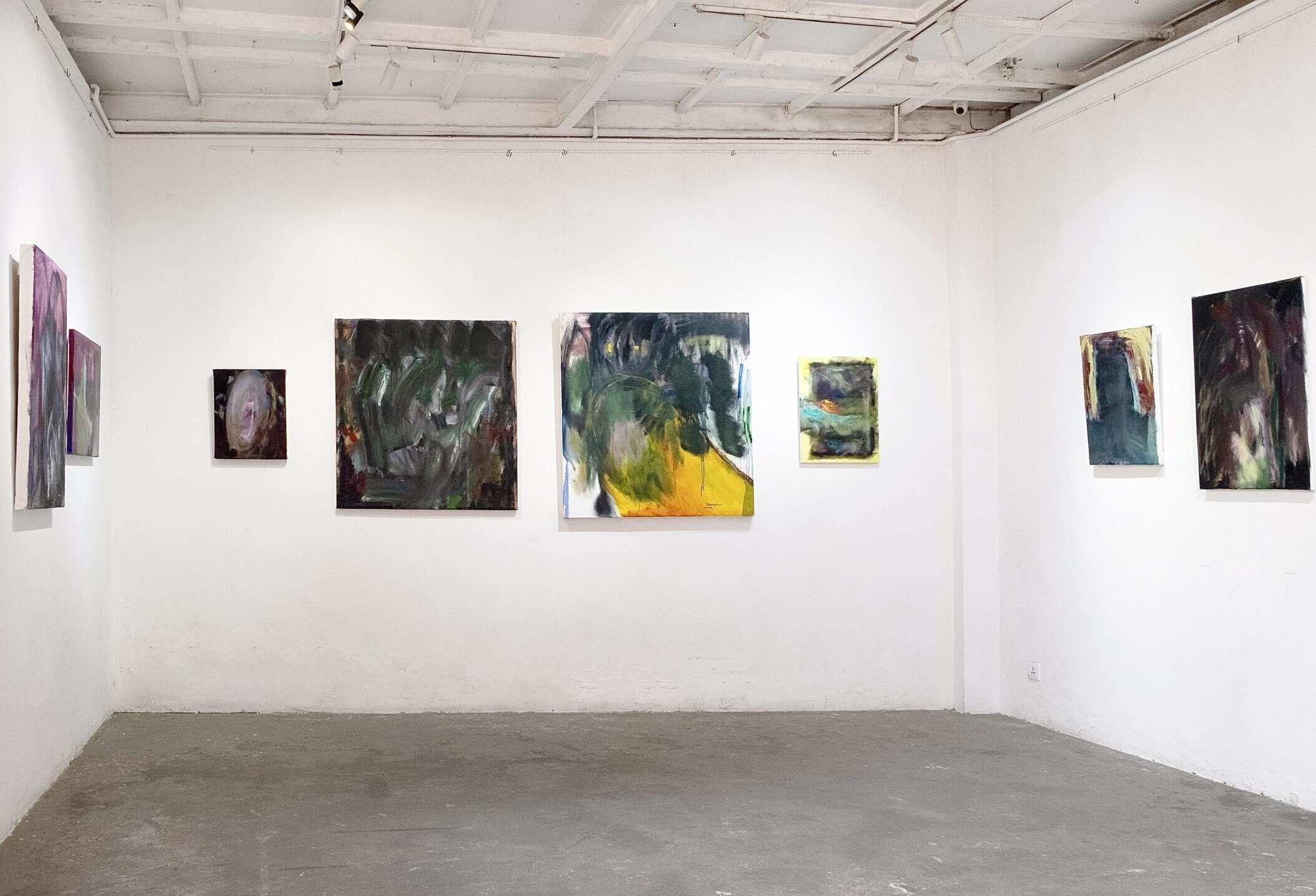
Life here has no sequence. It only has density. When she spoke, I could feel that density in her voice. Every breath in Kathmandu feels too full. So full it almost makes you sick. She carried all of this back into the paintings. The colors on the canvas feel stirred, as if the world itself had been thrown into an unseen container and spun again and again. Weightless. Colliding. Turning. All sense of direction stripped away. There is no center and no exit, only constant movement. Does the brush remember more than the retina?
She passes through the narrow gaps between life and death, between water and fire. Do life and death still matter here. Tributaries of the Bagmati carry away bodies and with them the fading traces of the soul. Burn. Cry out. Scream under the cover of night. Let sound cut through smoke and flame. Somewhere between the agitation of fire and the movement of water is where Xu Chenxi places her mark. There is wind. Earth. The smell of spices. The low and continuous murmur of prayer in the streets. Devotion exists here almost as a physical condition. None of this feels entirely real, yet it is intensely specific. Every day feels free. So free it makes you dizzy. So free it feels almost unbelievable.
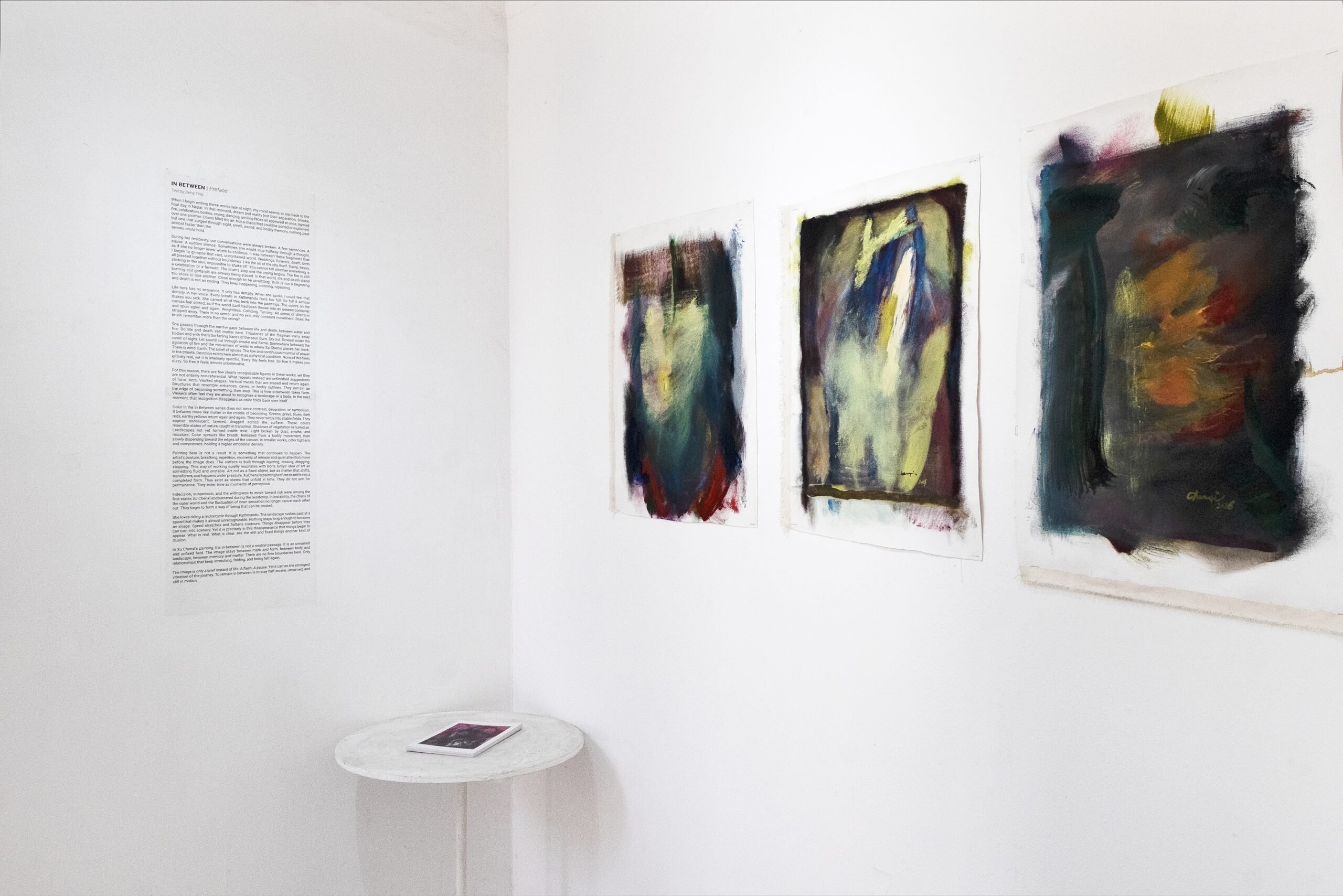
For this reason, there are few clearly recognizable figures in these works, yet they are not entirely non-referential. What repeats instead are unfinished suggestions of form. Arcs. Vaulted shapes. Vertical traces that are erased and return again. Structures that resemble entrances, caves, or bodily outlines. They remain on the edge of becoming something, then stop. This is how in-between takes form. Viewers often feel they are about to recognize a
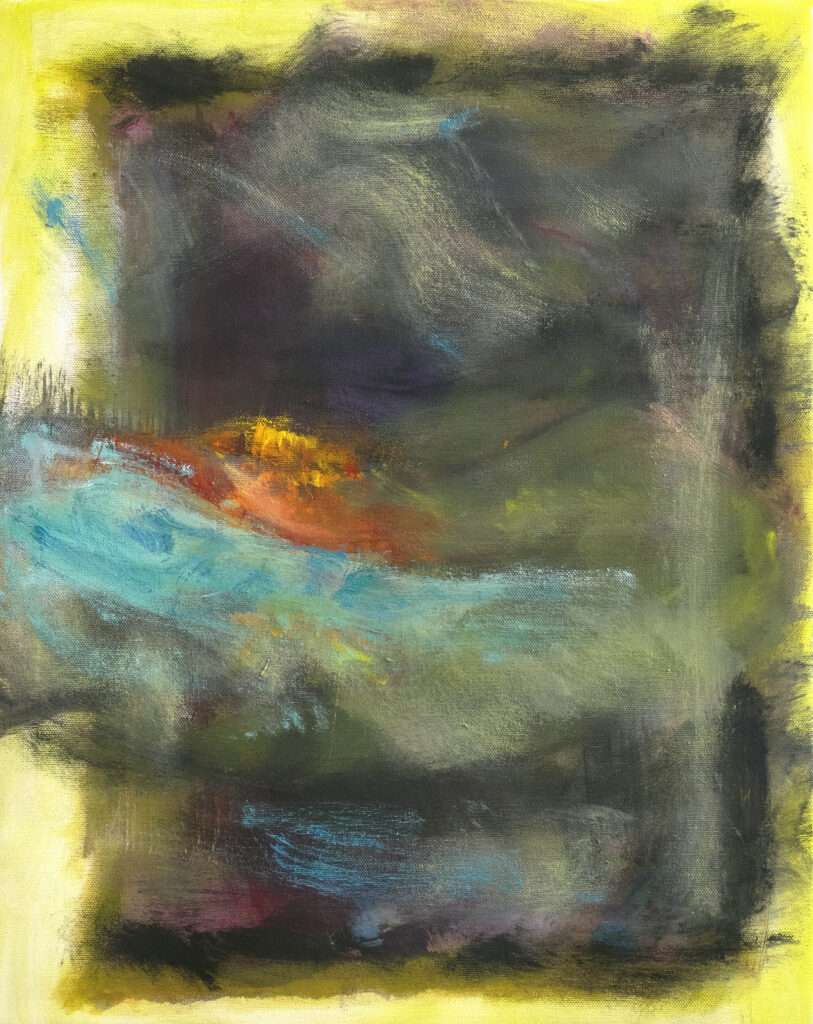

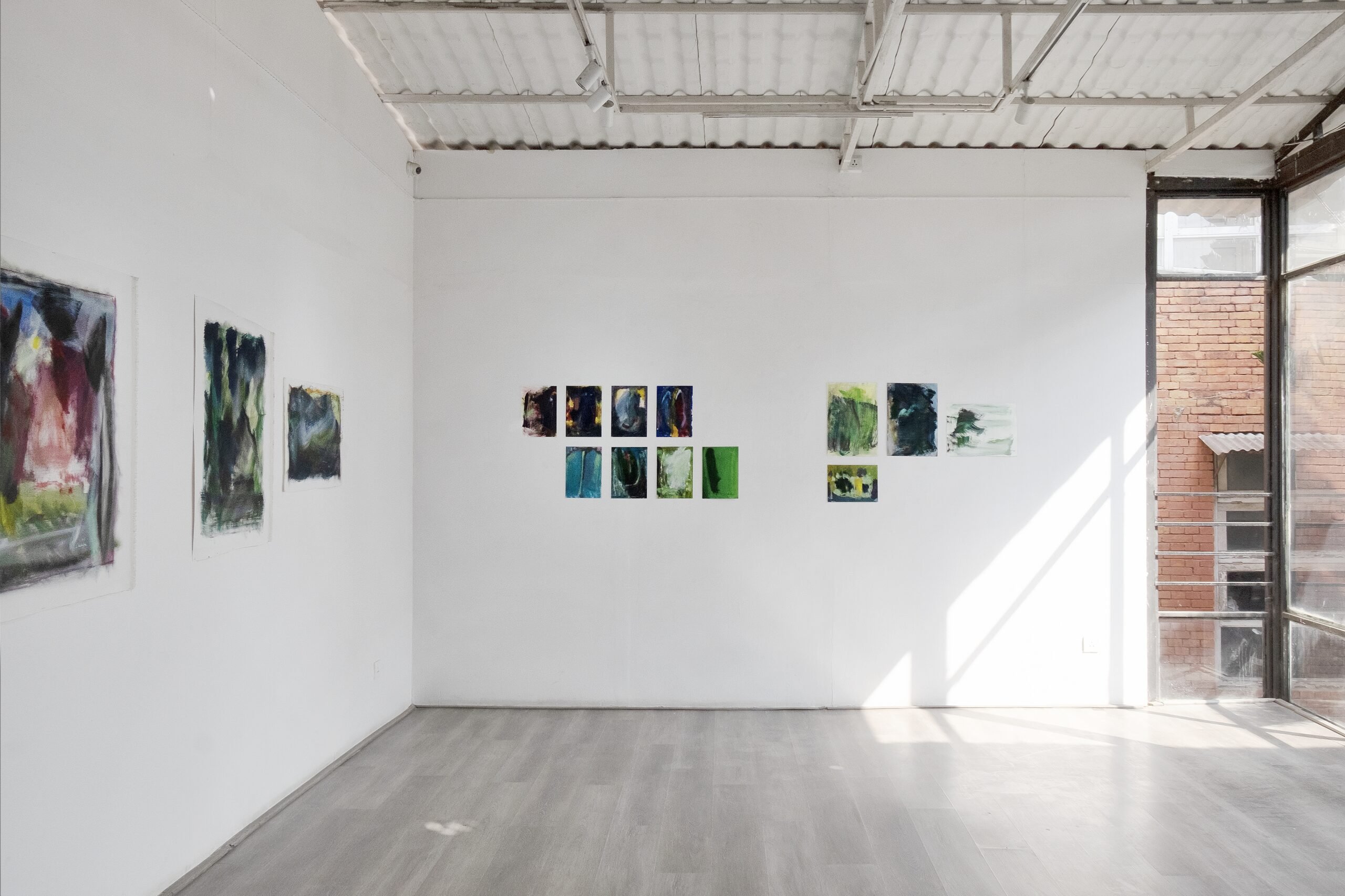
landscape or a body. In the next moment, that recognition disappears as color folds back over itself. Color in the In Between series does not serve contrast, decoration, or symbolism. It behaves more like matter in the middle of becoming. Greens, greys, blues, dark reds, earthy yellows return again and again. They never settle into stable fields. They appear translucent, layered, dragged across the surface. These colors resemble states of nature caught in transition. Shadows of vegetation in humid air.
Landscapes not yet formed inside mist. Light broken by dust, smoke, and
moisture. Color spreads like breath. Released from a bodily movement, then
slowly dispersing toward the edges of the canvas. In smaller works, color tightens nand compresses, holding a higher emotional density.
Painting here is not a result. It is something that continues to happen. The
artist’s posture, breathing, repetition, moments of release and quiet attention move before the image does. The surface is built through layering, erasing, dragging, stopping. This way of working quietly resonates with Boris Groys’ idea of art as something fluid and unstable. Art not as a fixed object, but as matter that shifts, transforms, and happens under pressure. Xu Chenxi’s paintings refuse to settle into a completed form. They exist as states that unfold in time. They do not aim for permanence. They enter time as moments of perception.
Indecision, suspension, and the willingness to move toward risk were among the first states Xu Chenxi encountered during the residency. In instability, the chaos of the outer world and the fluctuation of inner sensation no longer cancel each other out. They begin to form a way of being that can be trusted.
She loves riding a motorcycle through Kathmandu. The landscape rushes past at a speed that makes it almost unrecognizable. Nothing stays long enough to become an image. Speed stretches and flattens contours. Things disappear before they can turn into scenery. Yet it is precisely in this disappearance that things begin to appear. What is real. What is clear. Are the still and fixed things another kind of illusion.
In Xu Chenxi’s painting, the in-between is not a neutral passage. It is an unnamed and unfixed field. The image stays between mark and form, between body and landscape, between memory and matter. There are no firm boundaries here. Only relationships that keep stretching, folding, and being felt again. The image is only a brief instant of life. A flash. A pause. Yet it carries the strongest vibration of the journey. To remain in between is to stay half-awake, unnamed, and still in motion.
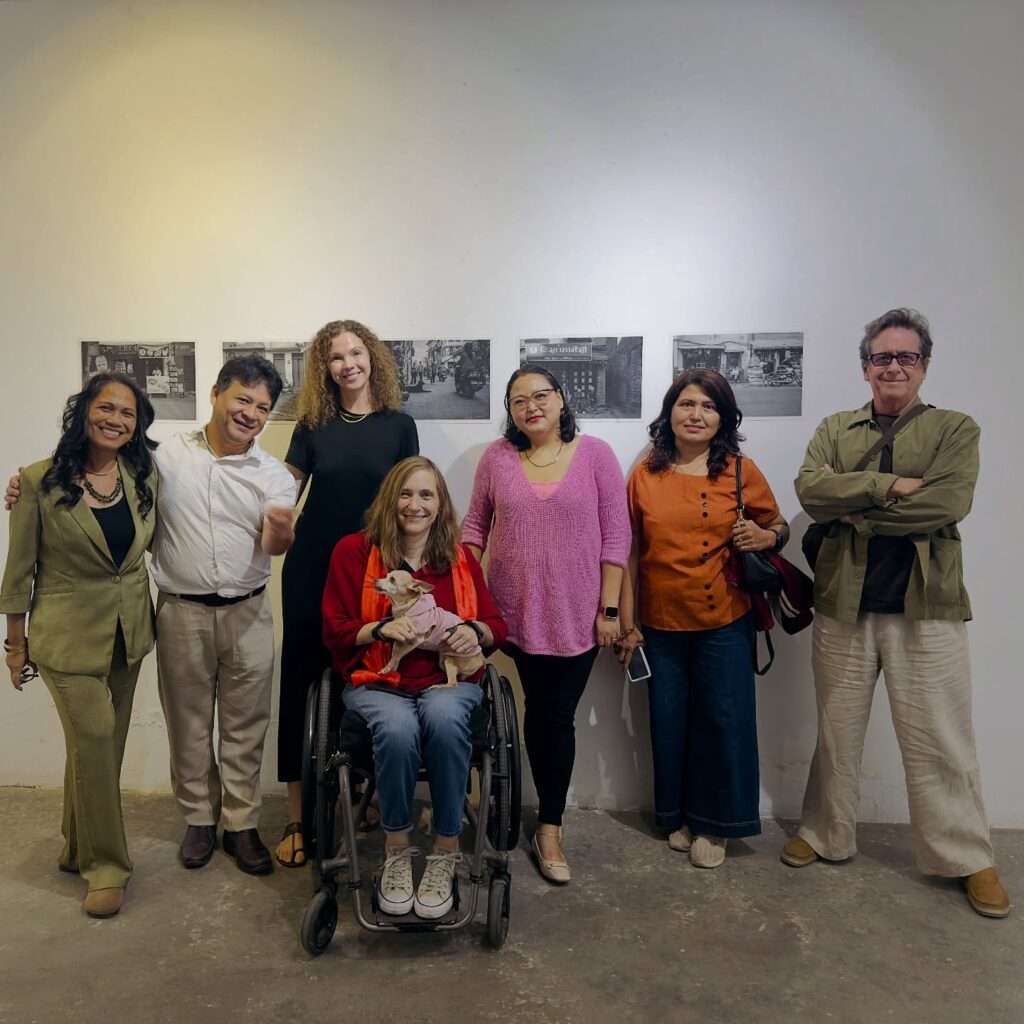
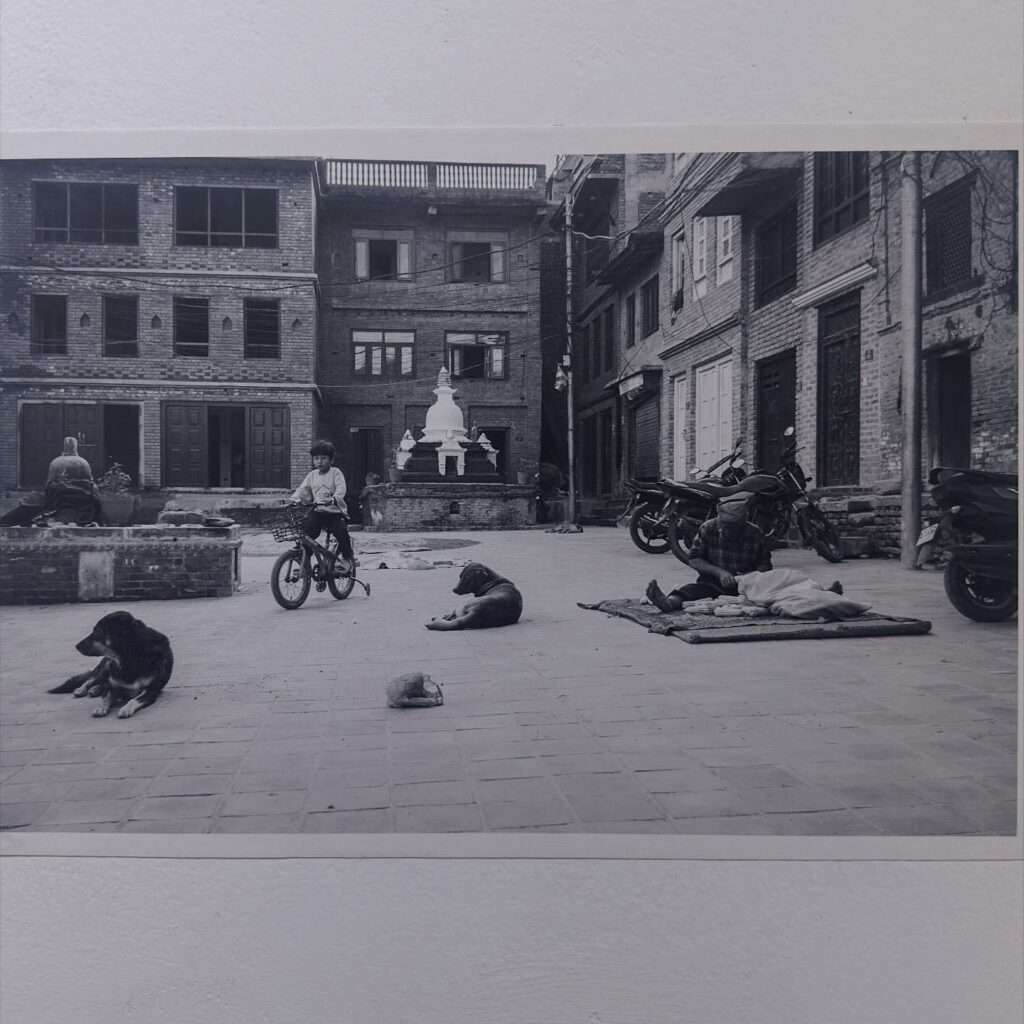
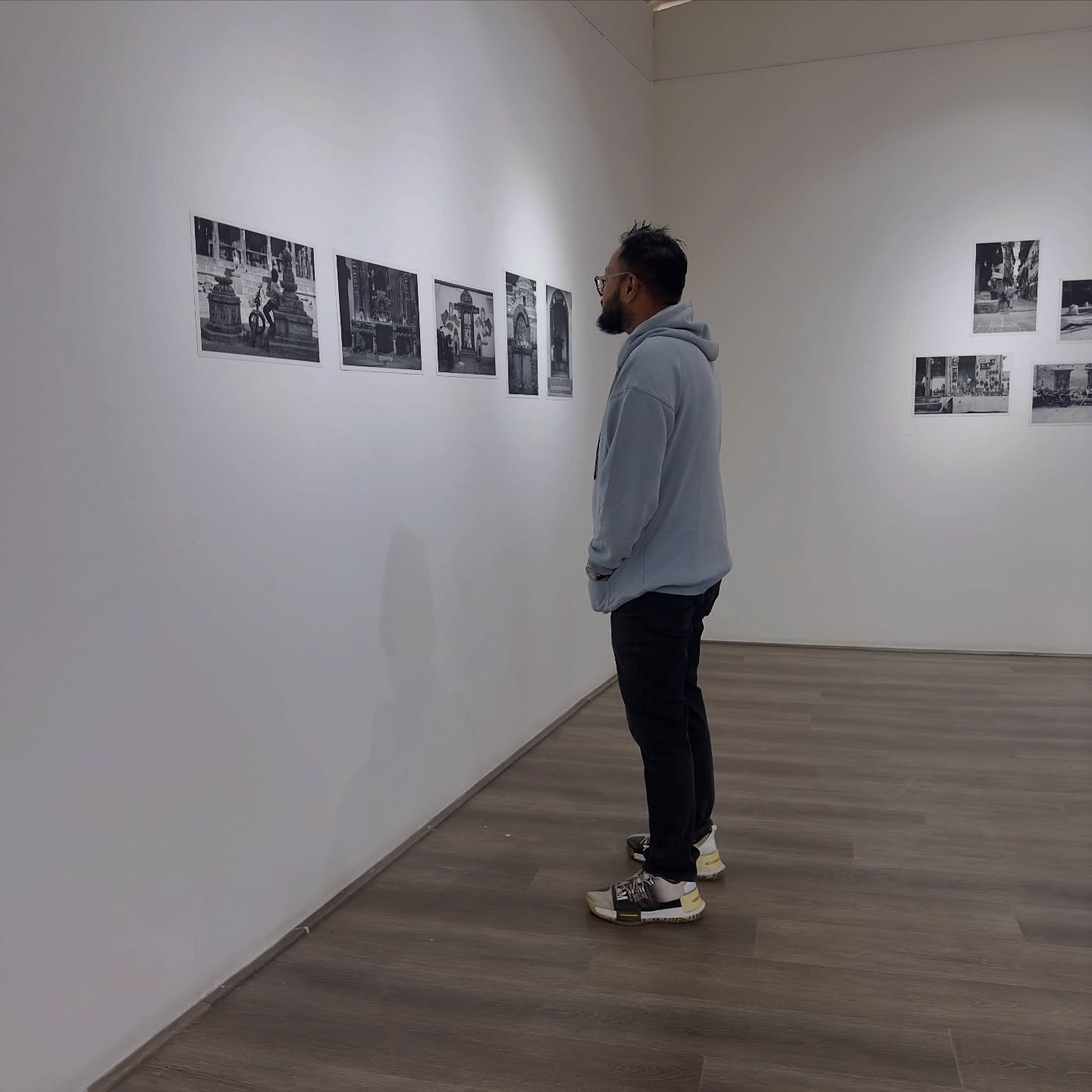
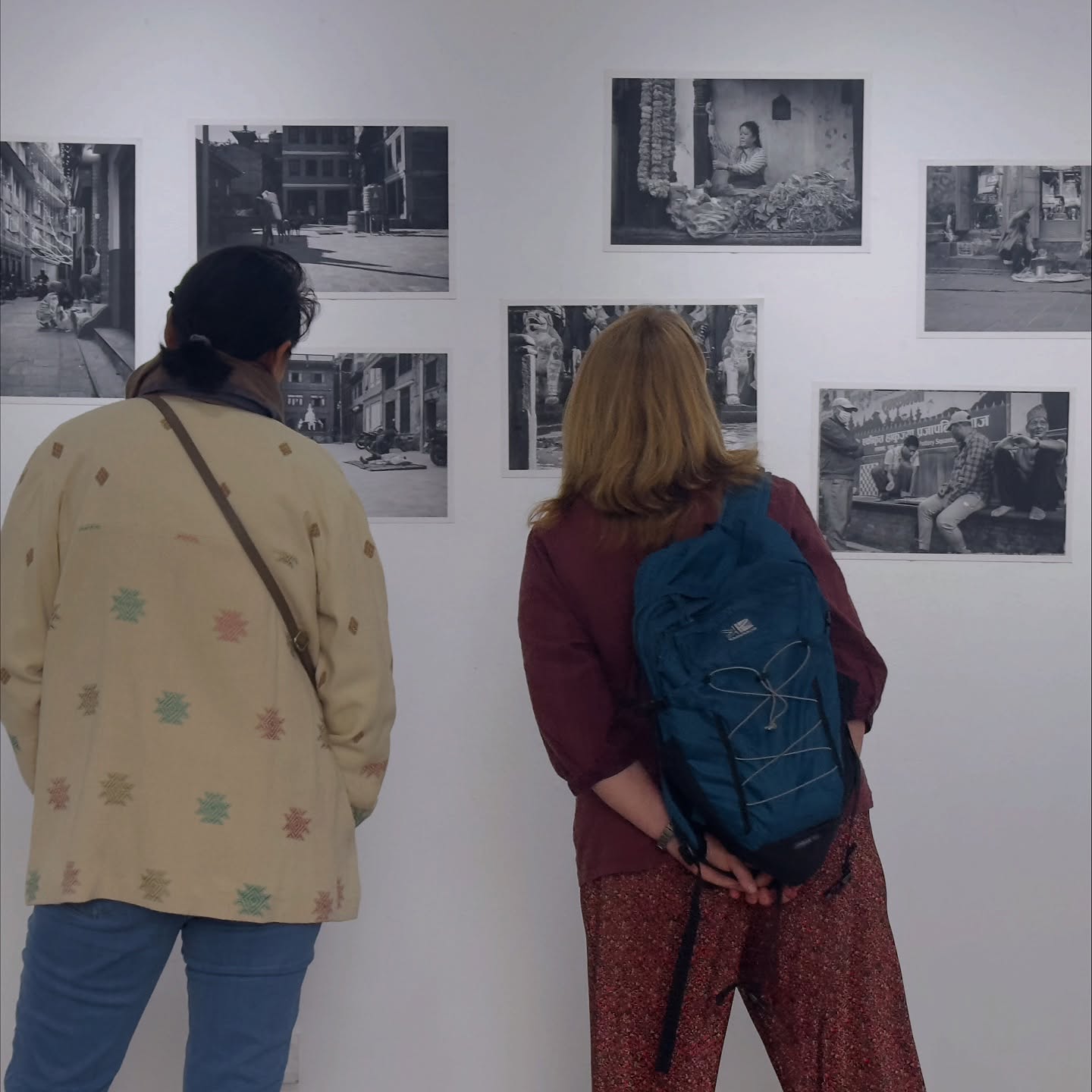
Christine Mace is a New York City-based artist. As a self-taught social documentary photographer, her work focuses on humanizing the other and capturing fleeting moments of authentic connection among people, spaces, and communities. Her work is deeply tied to her struggles with being put into a box and the feelings of being unseen.
In 2019, her series ‘Dominoes in Havana’ received the First Place Winner award in the Black and White Category from the jurors of the 14th Julia Margaret Cameron Awards. Mace’s photography has been exhibited across the United States and internationally.
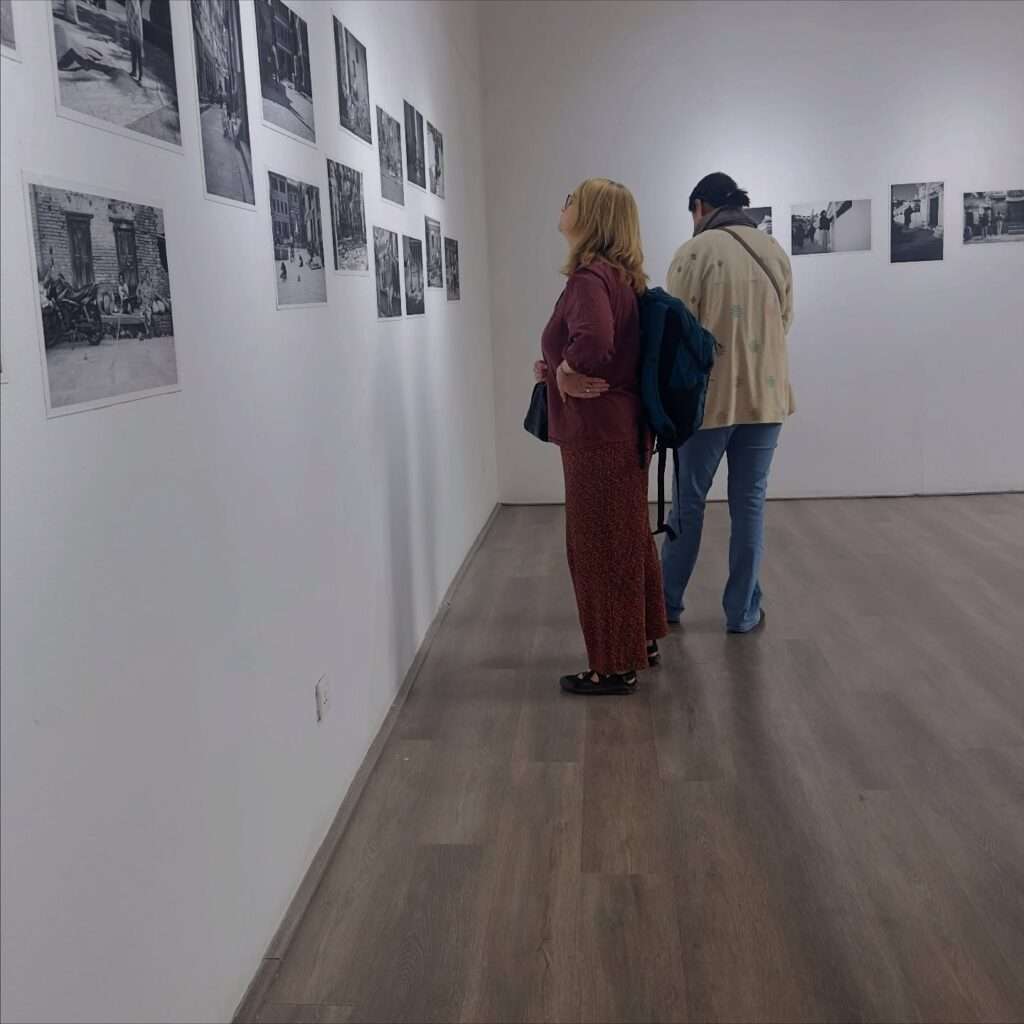
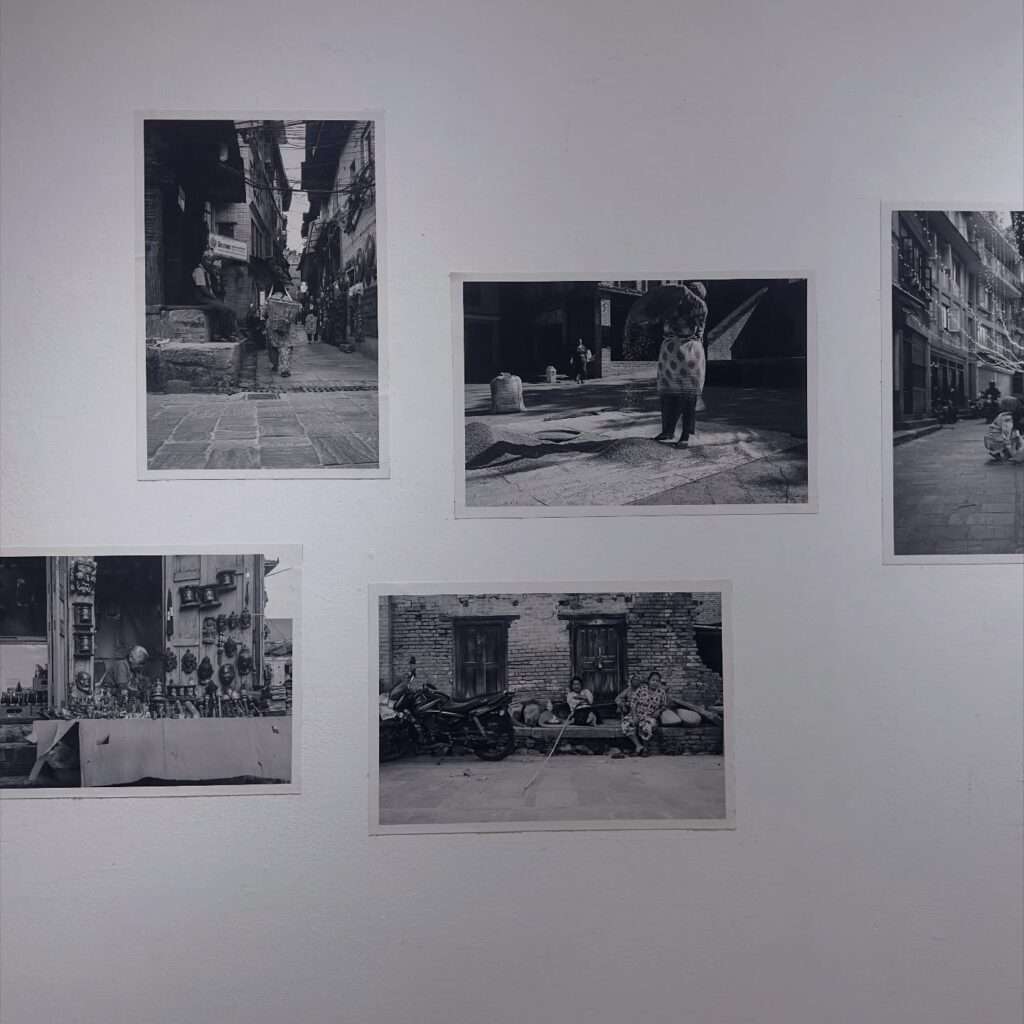
Sacred City
RESIDENCY ARTIST OF September
Vera Ni | CHINA

Mirage Mirage: Glaze of Light
RESIDENCY ARTIST OF AUGUST
Runveer Rawoo | Mauritius
Runveer Rawoo is a Mauritian Artist, Artivist, and Art Educator whose work explores inner consciousness and our connection to nature. Instigator of Conscious Art Movement alongside with Sadhguru’s Save Soil initiative, his art advocates ecological awareness and mindful living. His upcoming solo exhibition, *Introspection*, reflects themes of self-awareness, unity, and environmental stewardship, using sustainable materials. Runveer’s practice fosters inner awakening to inspire societal and ecological transformation. His art combines introspection with activism, aiming to ignite collective responsibility for a sustainable.