A research-based residency program that supports artists from around the world to develop new work in the heart of the Himalayas.

AIR_MCUBE
International Artists'
Residency Program
Nepal

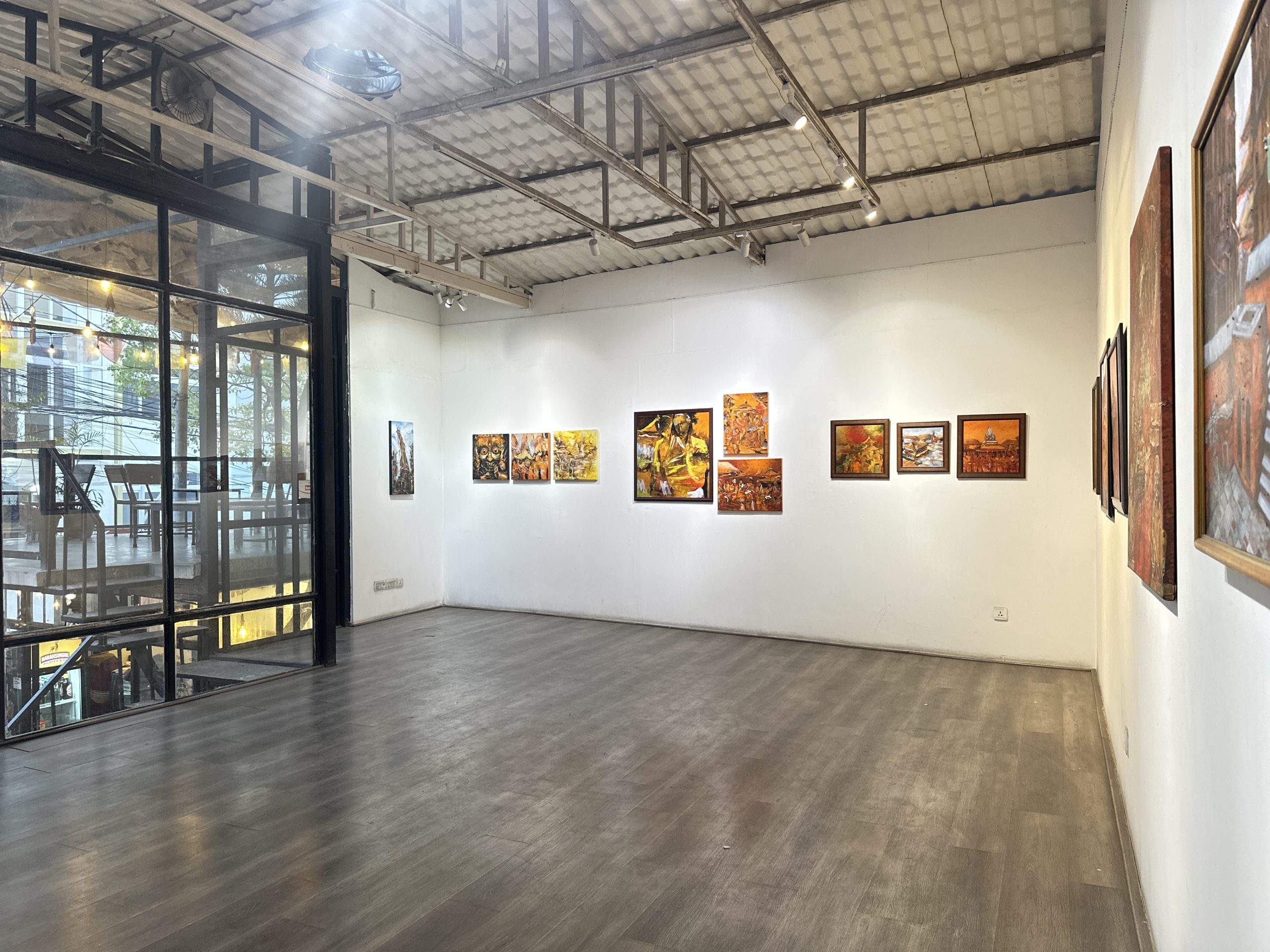
Gallery Mcube is a contemporary multidisciplinary visual art center in the heart of Lalitpur, Nepal, connecting artists from around the world through exhibitions, AIR_MCUBE International Artists Residency Program, creative collaboration, and cultural exchange.

Contemporary Art Gallery

Must visit gallery in Patan, with Nepal’s rich cultural heritage.

Mcube Artists' Studio

Comfortable, Well-Equipped & Naturally Well-Lit Studios.

Artistic Exchange

Connect with local and global creative communities.

About AIR_MCUBE International Artists' Residency

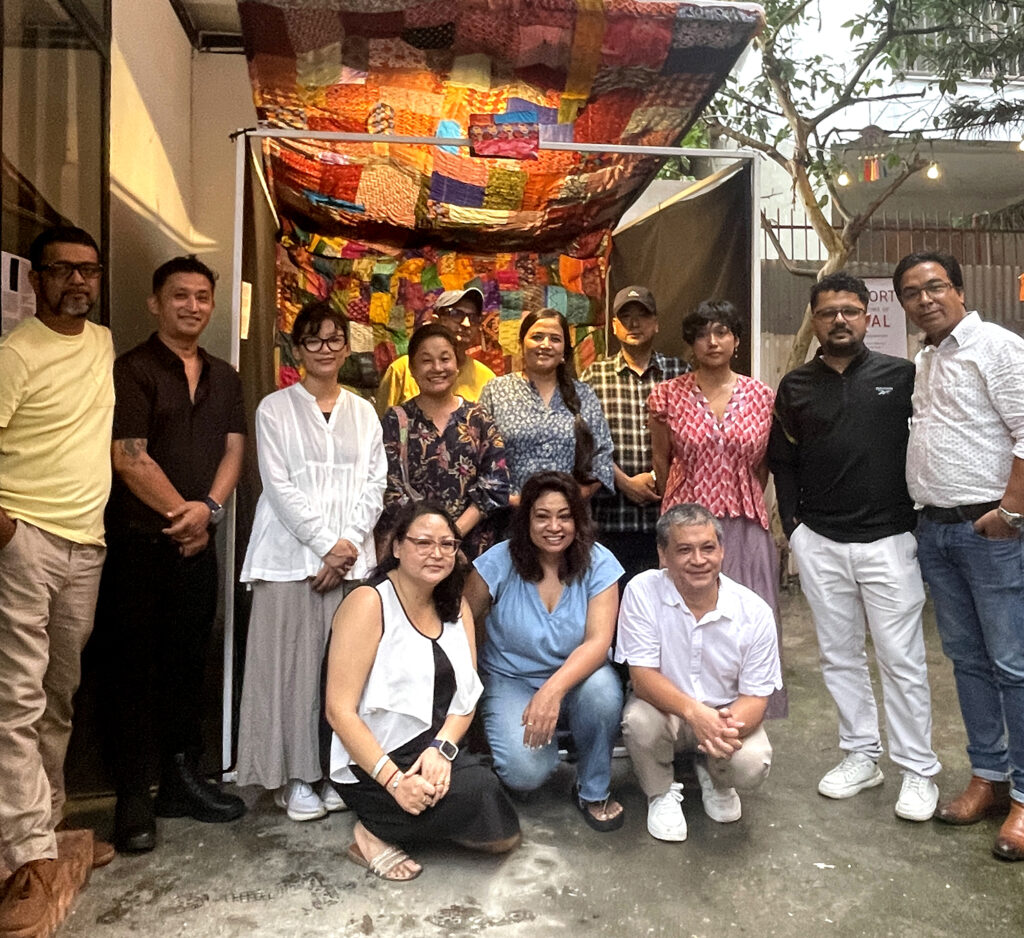
AIR_MCUBE International Artists’ Residency is a non-profit residency program in Kathmandu, Nepal.
We invite visual artists, writers, curators and researchers to immerse themselves in a unique environment where tradition and contemporary practice meet.

AIR_MCUBE
International Artists' Residency
A creative residency program welcoming artists from around the world to experience Nepal through art, culture, collaboration, and research.


100+
International Artists


30+
Countries Connected


15 
years of Art Practice

About Gallery Mcube

Gallery Mcube is a contemporary multidisciplinary visual art center based in Patan, Kathmandu. Since 2011, it has functioned as a platform for artistic dialogue, presenting diverse works by both national and international artists. Through exhibitions, collaborations, and cultural programs, the gallery encourages creative exchange and critical engagement with contemporary art.

Its flagship AIR_MCUBE International Artists Residency Program invites artists from around the world to live, work, and collaborate in Nepal, fostering meaningful cross-cultural interaction and deeper artistic exploration.
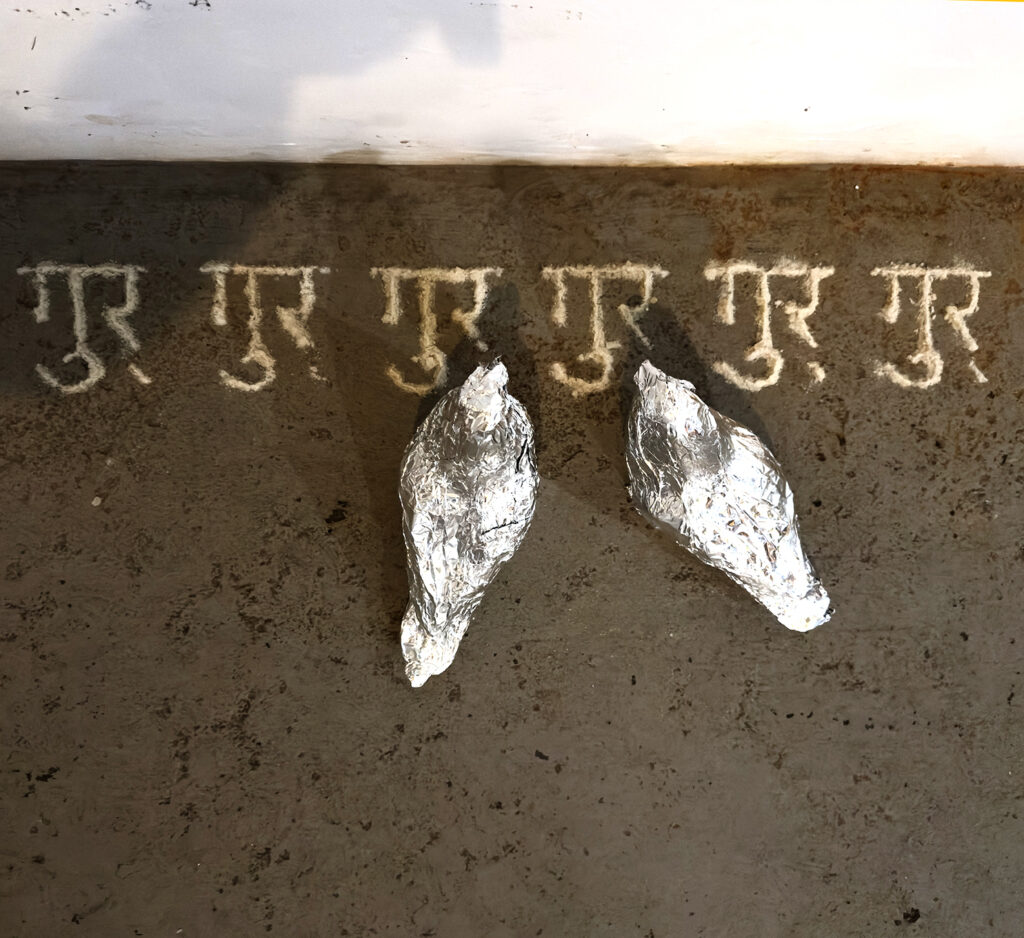
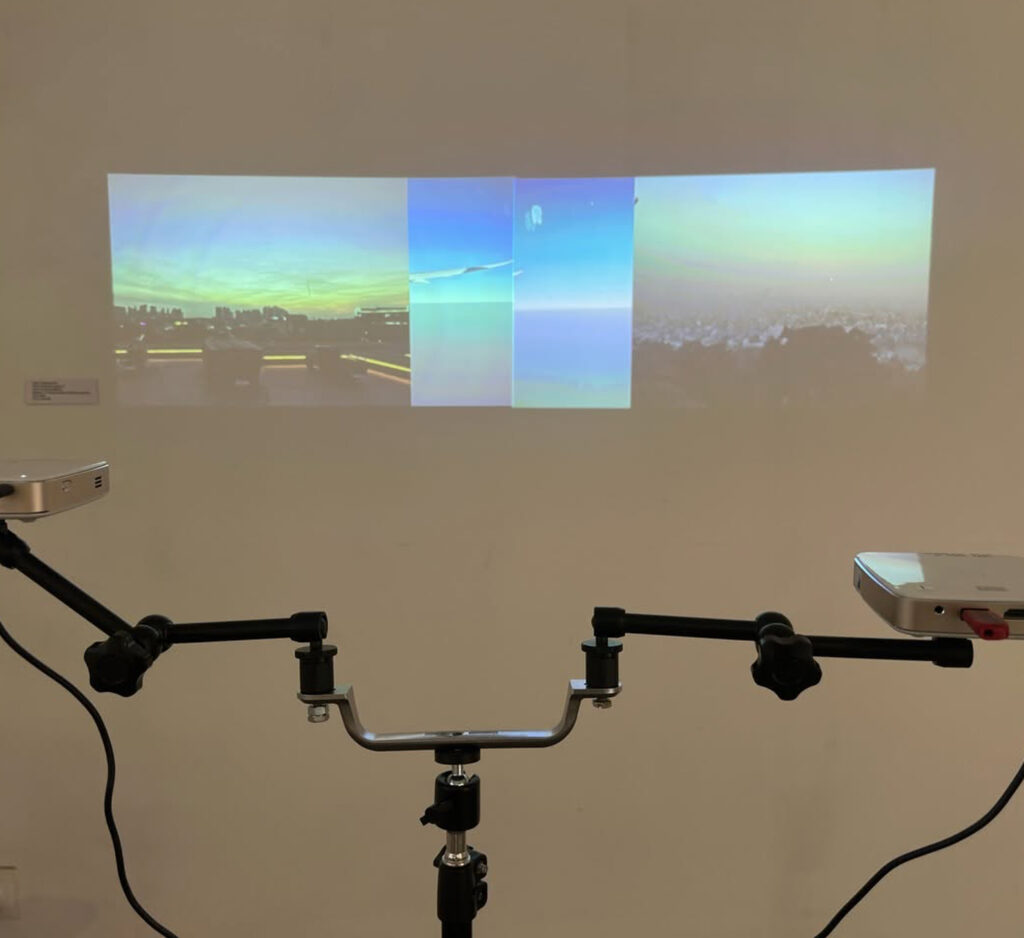
XinWei Huang is an artist from Taiwan whose practice primarily engages with installation, video, and found objects. His work examines how images, objects, and spaces carry traces of both personal and collective memory. Drawing from personal experience, family narratives, and encounters shaped by travel and movement, he collects discarded objects, visual archives, and fragments of everyday life to explore the relationships between presence and disappearance, familiarity and estrangement, and private histories and public space. Huang approaches the exhibition as a spatial structure in which images, materials, text, and sound are reorganized and placed in dialogue, reflecting on how memory, attention, and perception shape the ways we understand the world.